If you want to adquire any of the images above, please send a request using the “contact page” of this website. / Si usted está interesado en adquirir cualquiera de las imagenes de esta página, por favor mande una solicitud utilizando la “página de contacto” de este sitio web.
To enlarge any of the images, right click on the photo and press “view image”. / Para agrandar cualquiera de las fotos, presione el botón derecho del ratón sobre la foto y luego “view image”.
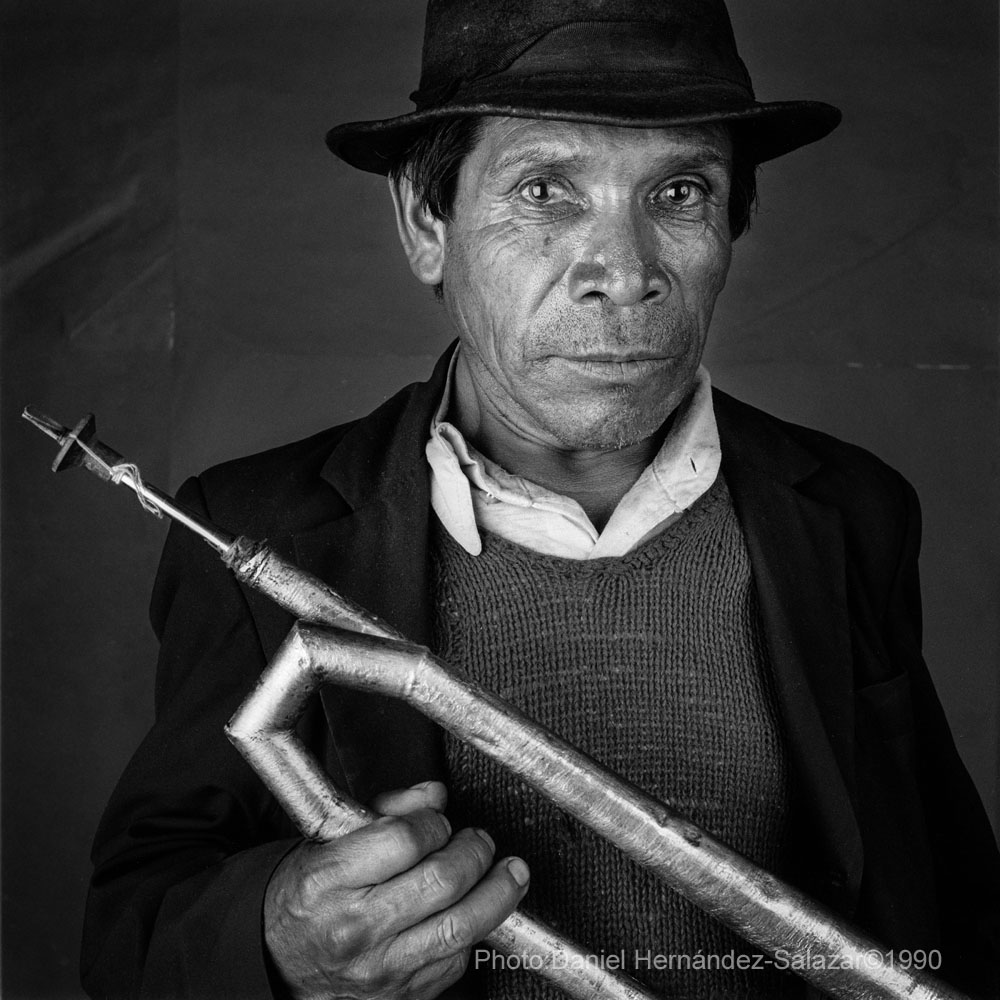
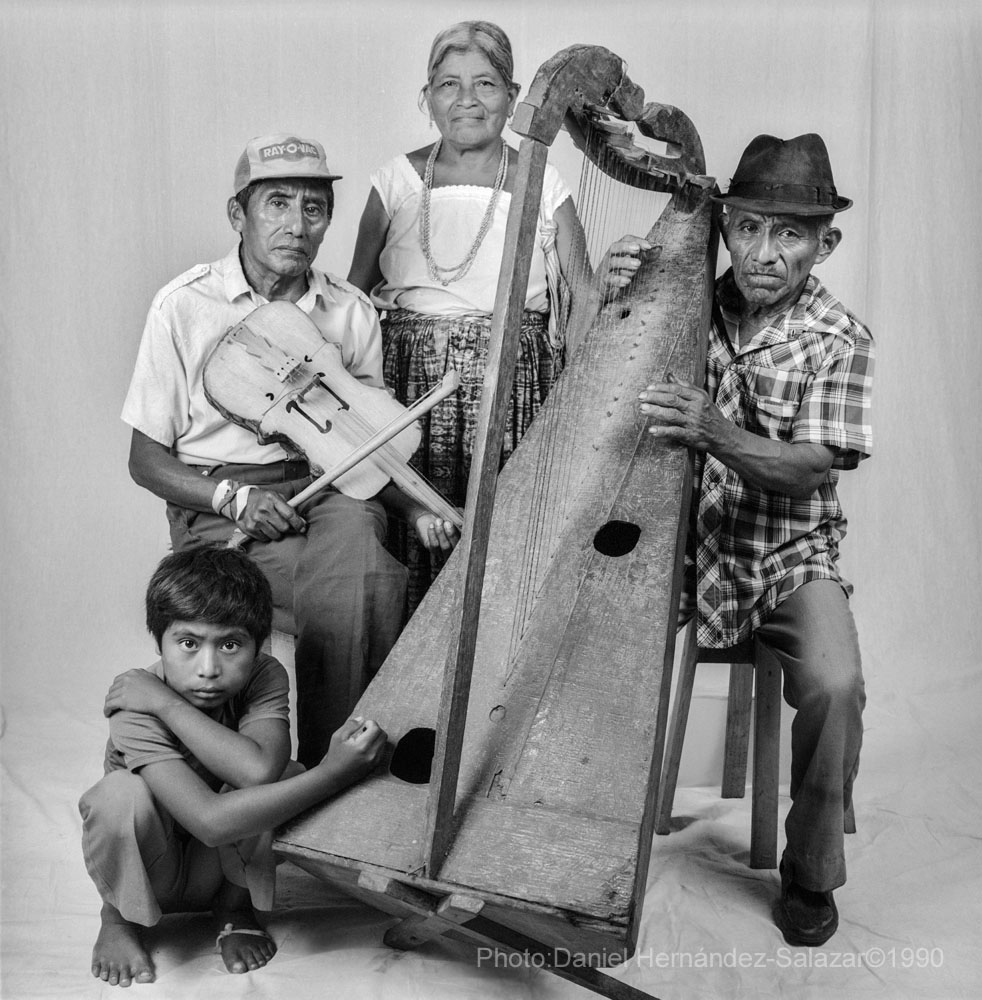
Amalia Caal, Owner/propietaria. Senahú.


To enlarge any of the images, right click on the photo and press “view image”. / Para agrandar cualquiera de las fotos, presione el botón derecho del ratón sobre la foto y luego “view image”.
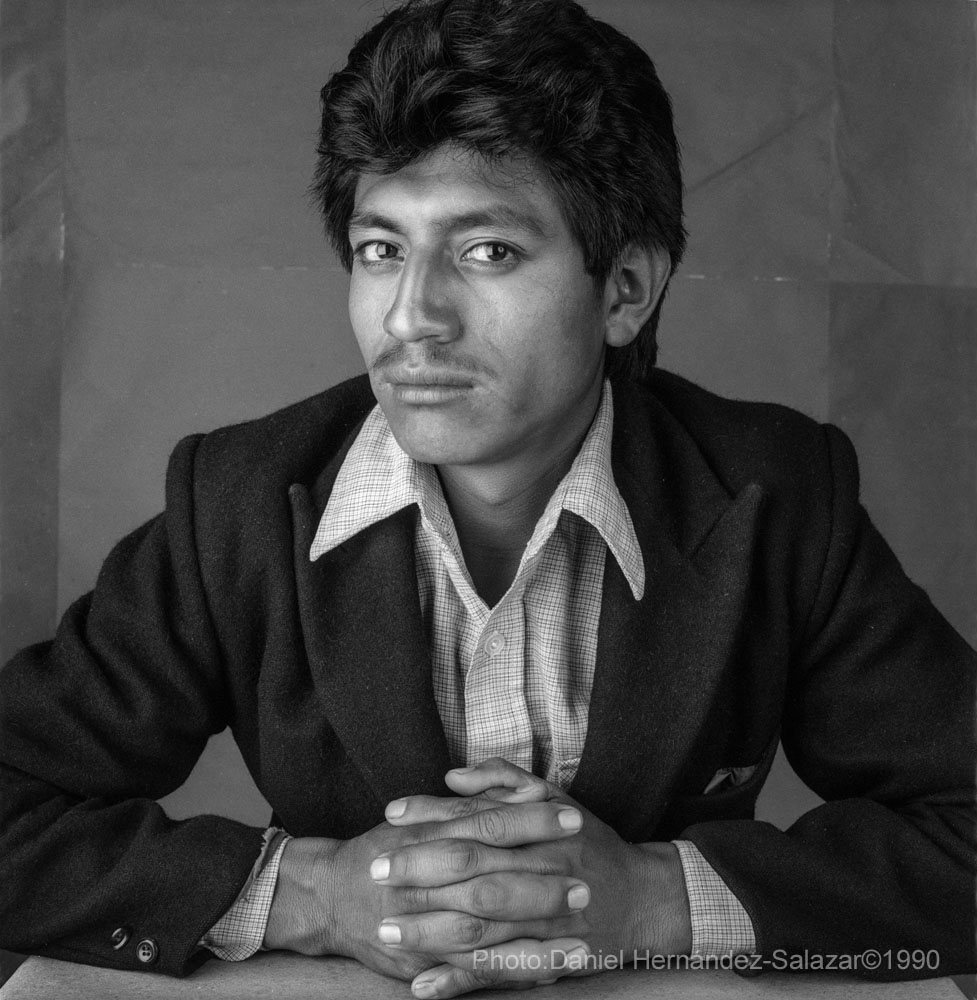
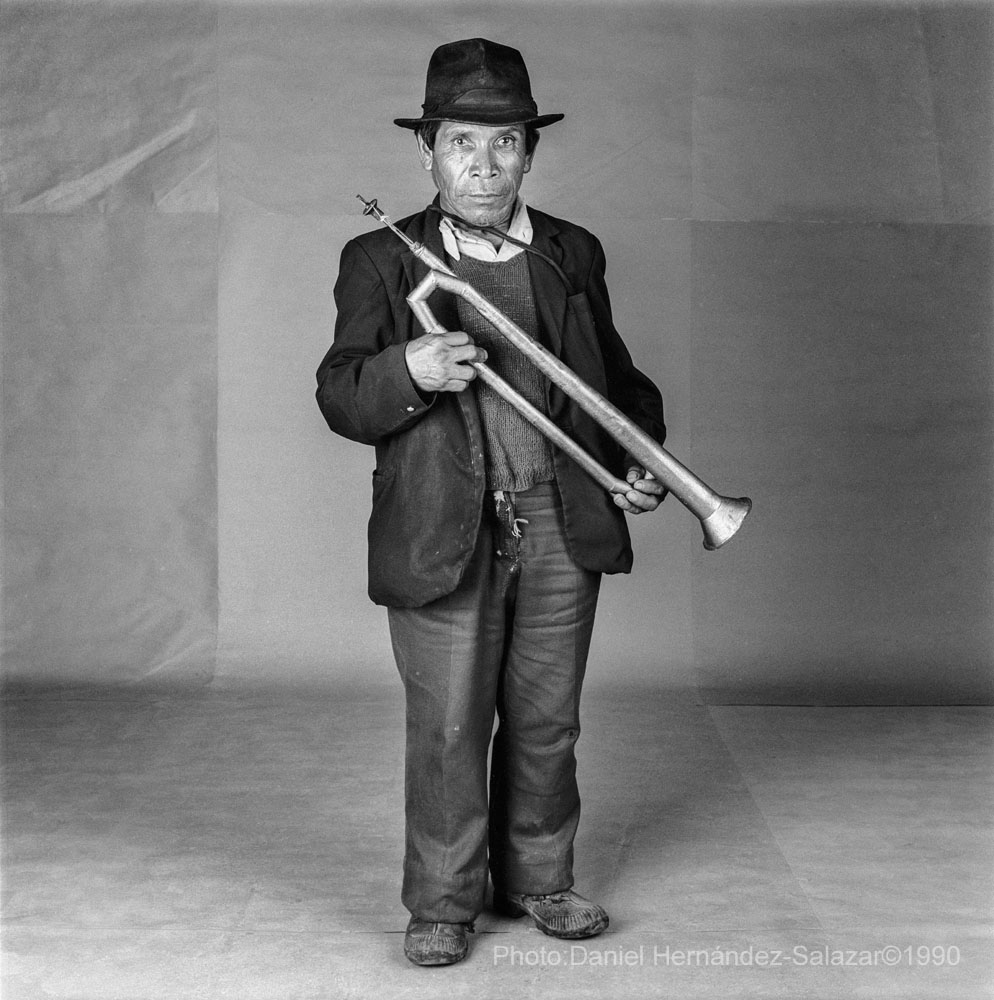
Faces of Music.
Since its inception, photography has been one of the best methods for documenting the history and way of life of societies and people. Famous photographers, such as Chambi or Penn, have provided an important graphic testimony of the cultures of other places and times. Zanotti and Yas, in the case of Guatemala, have been able to do their thing in this regard. The latter left a legacy that allows us to know what Antigua Guatemala and its people were like at the beginning of the 20th century.
If we understand cultural manifestations as changing entities, and even more so threatened with brutal extinction, we must think of photography as one of the resources that allow the following generations to have a testimony of what tends to transform or disappear.
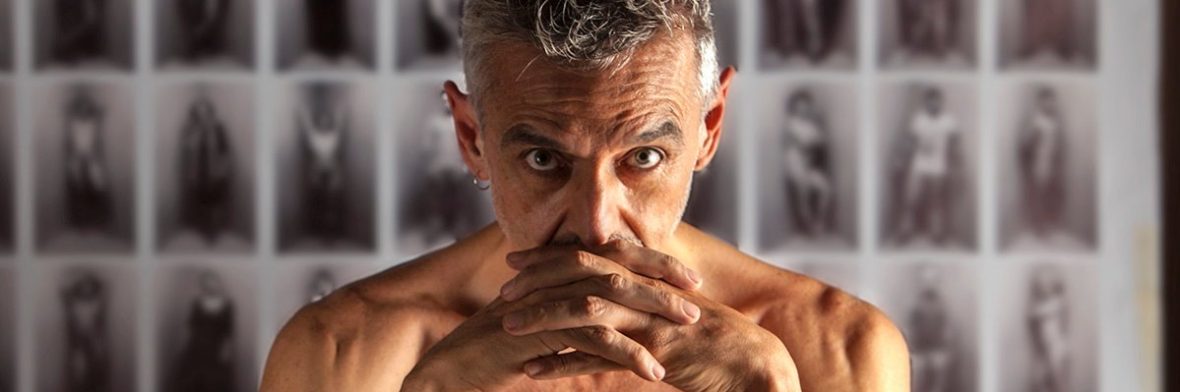
Daniel Hernández-Salazar, aware of this, has focused his work towards the record of our time, capturing the culture, the manifestations, and the actors that characterize it. No one, among those who know him, has failed to perceive his sensitivity towards those things that have marked the times and towards those people who have made them possible. Nor does his respect for that amalgamation that we could call Guatemalan Culture go unnoticed, that is, for his culture -very ladino- and for that of all the others who share with him the territory where he was born. These sentiments have guided the work of Daniel Hernández-Salazar as an artist… For him, whether it is a call to mass in Olintepeque, the burning of gunpowder in Ciudad Vieja, or the Huelga de Dolores in the Capital City, each demonstration occupies a preponderant and essential place in the life and culture of its country.
Daniel Hernández-Salazar strives to convey to us, through his gaze printed on paper, the life of our time and our environment, with all the expressiveness of the faces, which he finds in the portrait, his most precious means of expression… And for this reason, the admiration he feels for other photographers who have given us, through portraits, the possibility of discovering the Guatemala of yesteryear, is not by chance. Among them, Ankermann, Legrand, Muñoz, Stein and Valdeavellano have undoubtedly influenced his mind and feelings, and through his work, he feels equally committed to continuing the tradition of the great Guatemalan portrait painters.
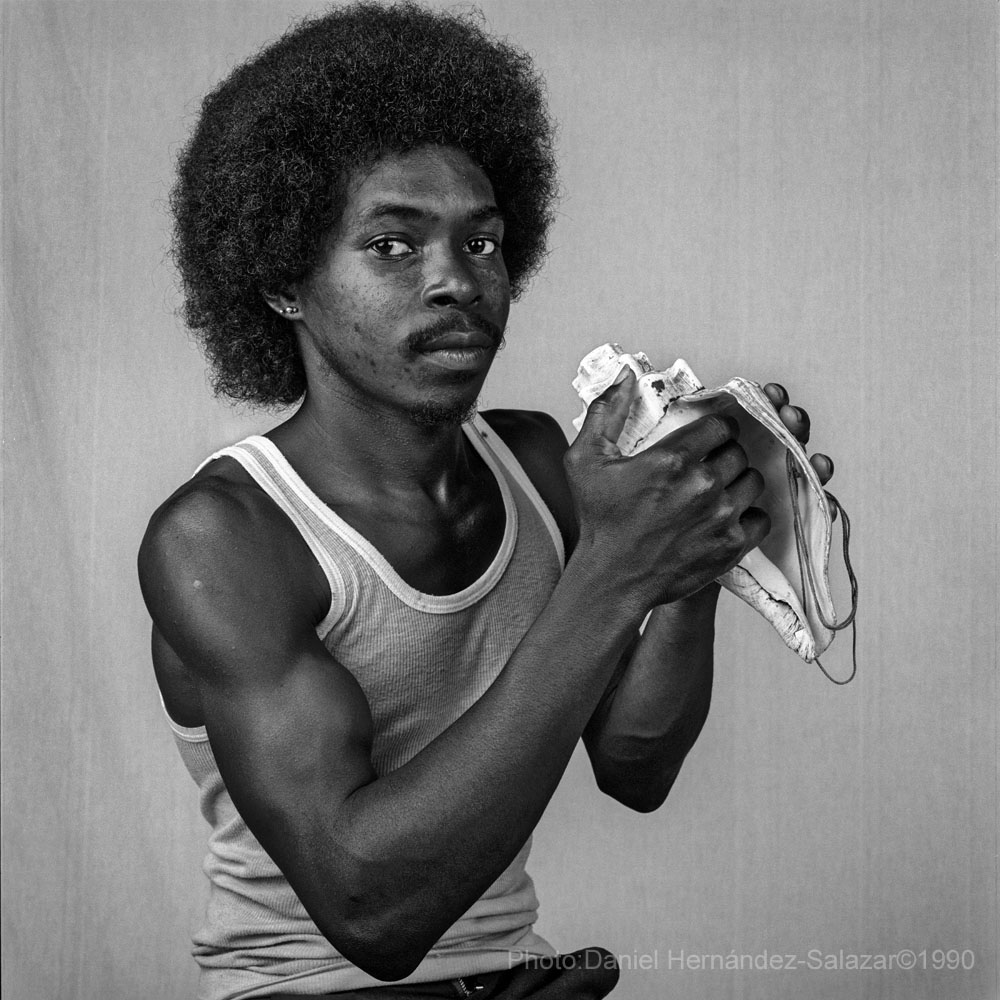
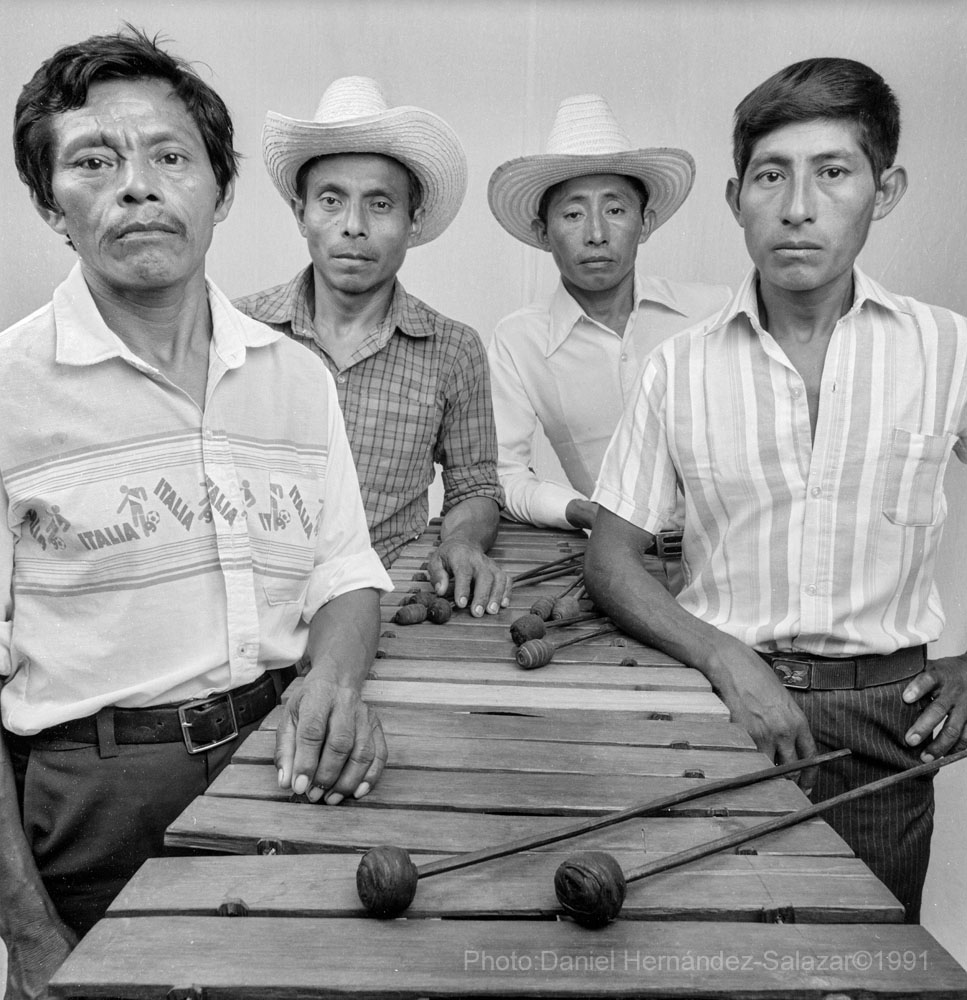
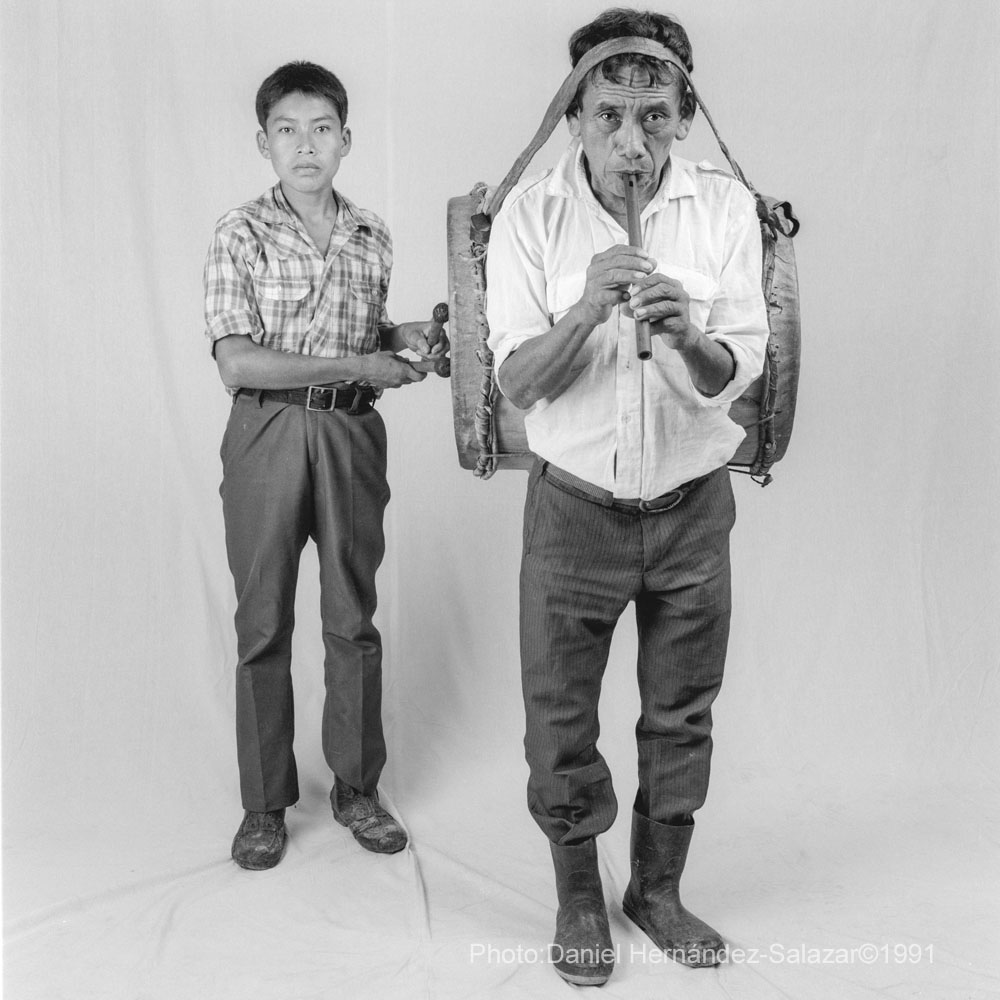
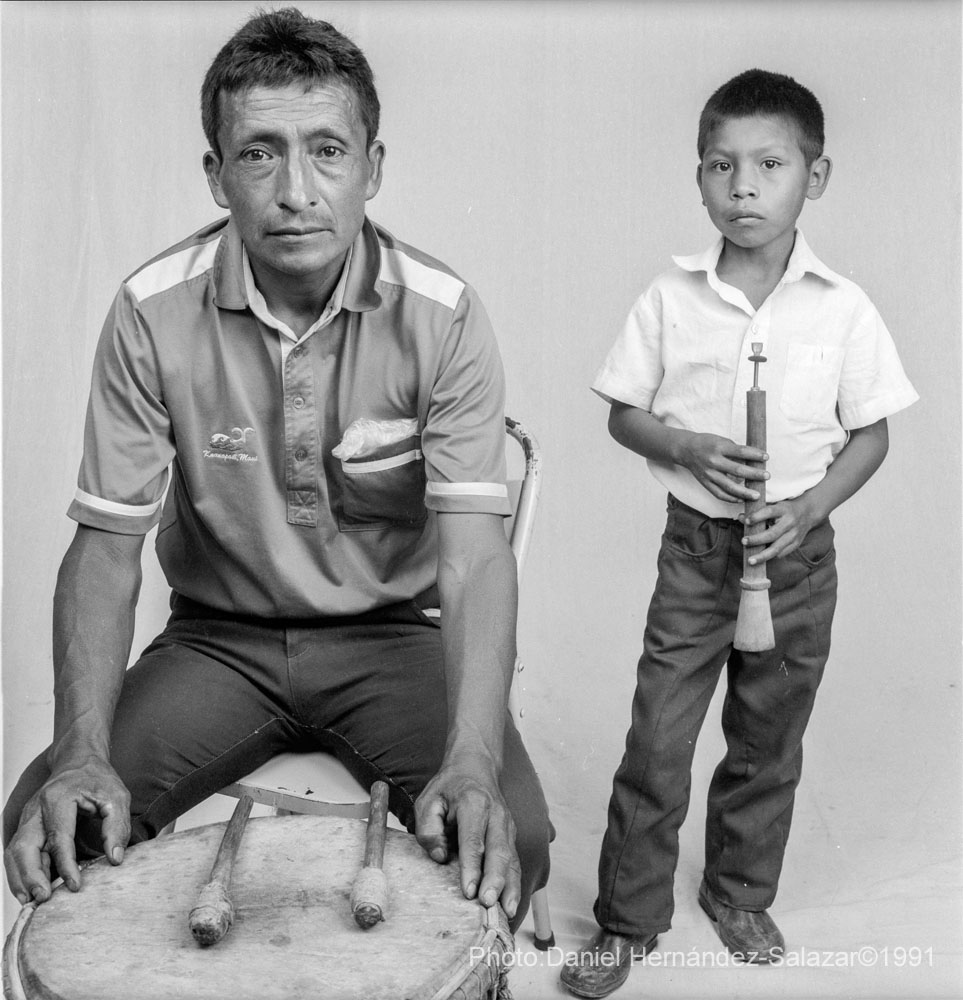
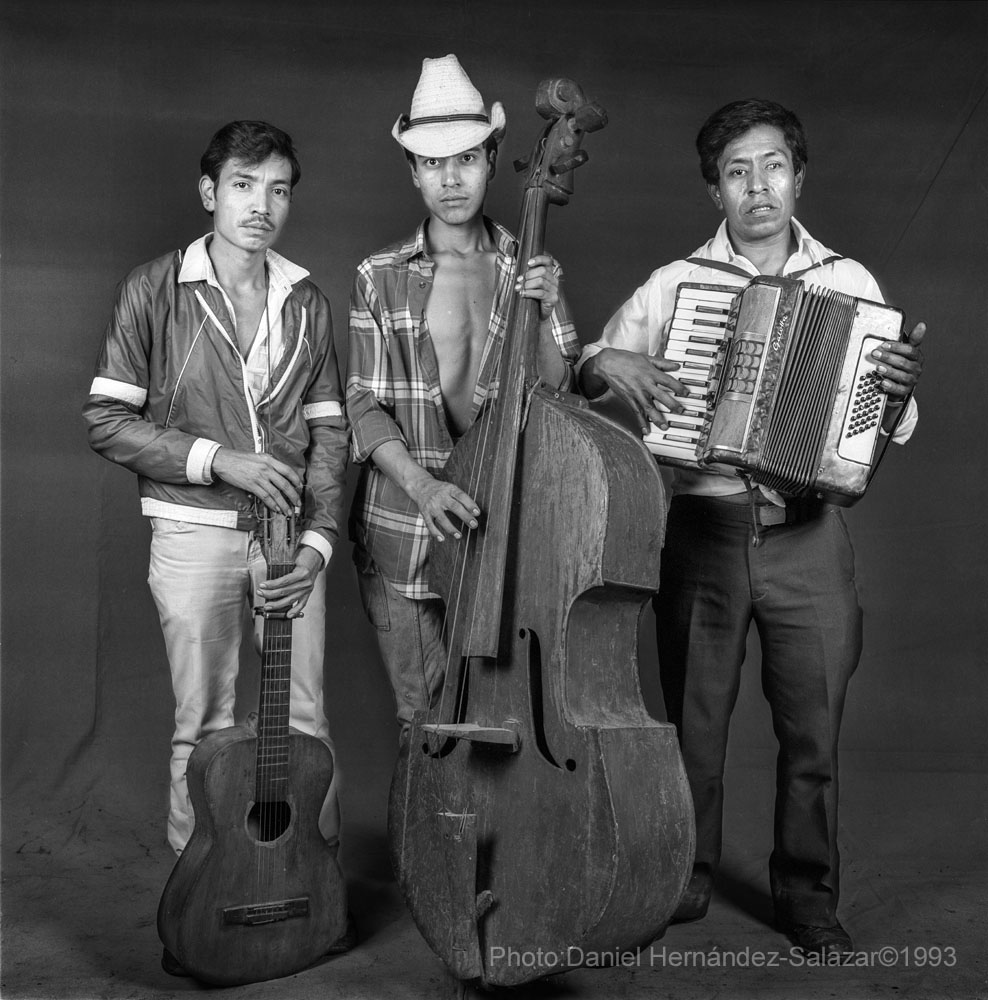
Within this broad perspective, Daniel Hernández-Salazar makes his series of photographs Musicians of the Popular Tradition of Guatemala, which began jointly with the project of the Anthropologist Alfredo Gómez Davis (+), then in charge of the department of cultural heritage of the Guatemalan Tourist Comission.
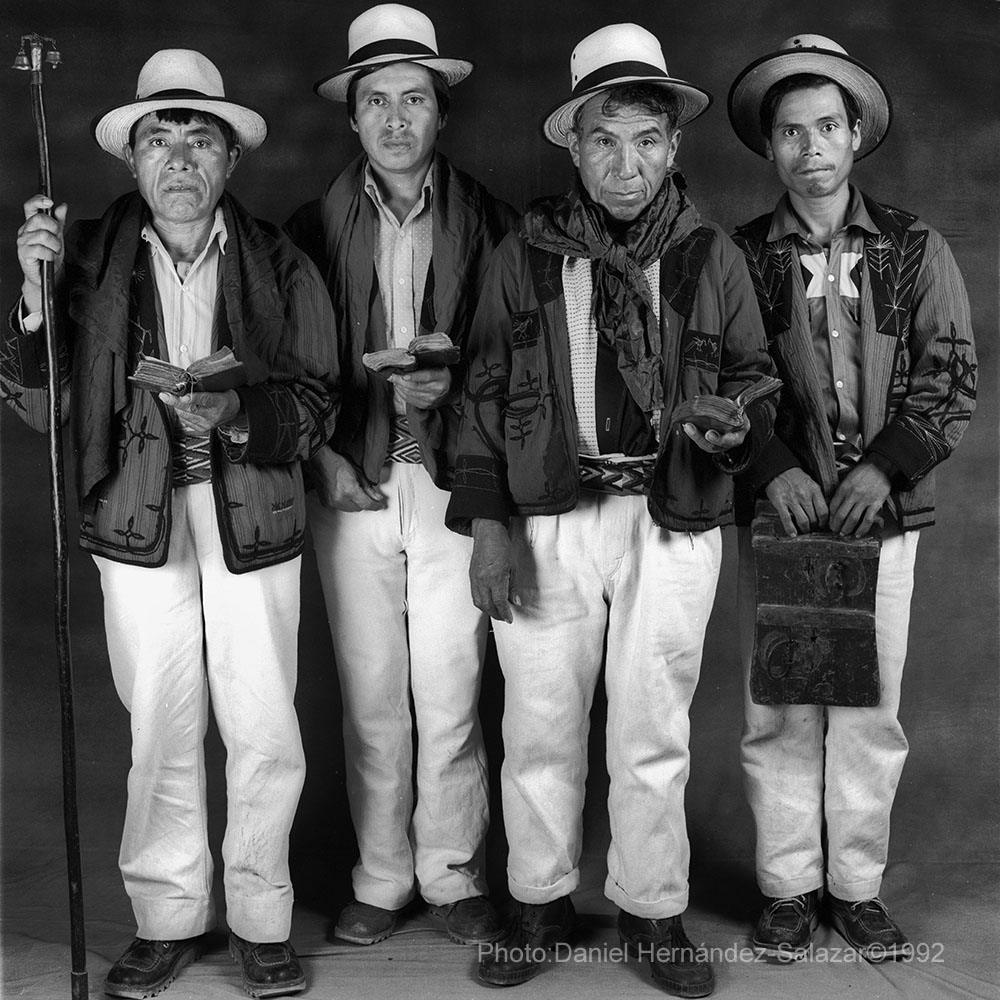
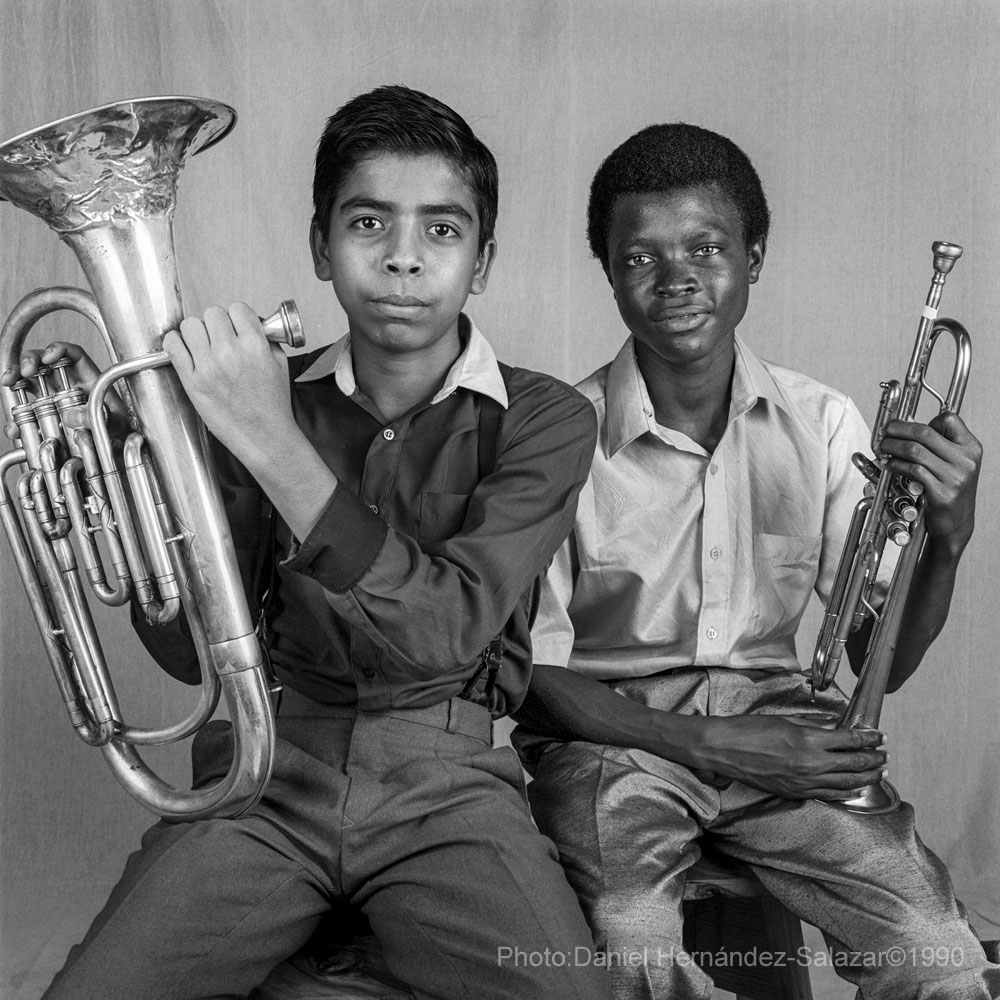
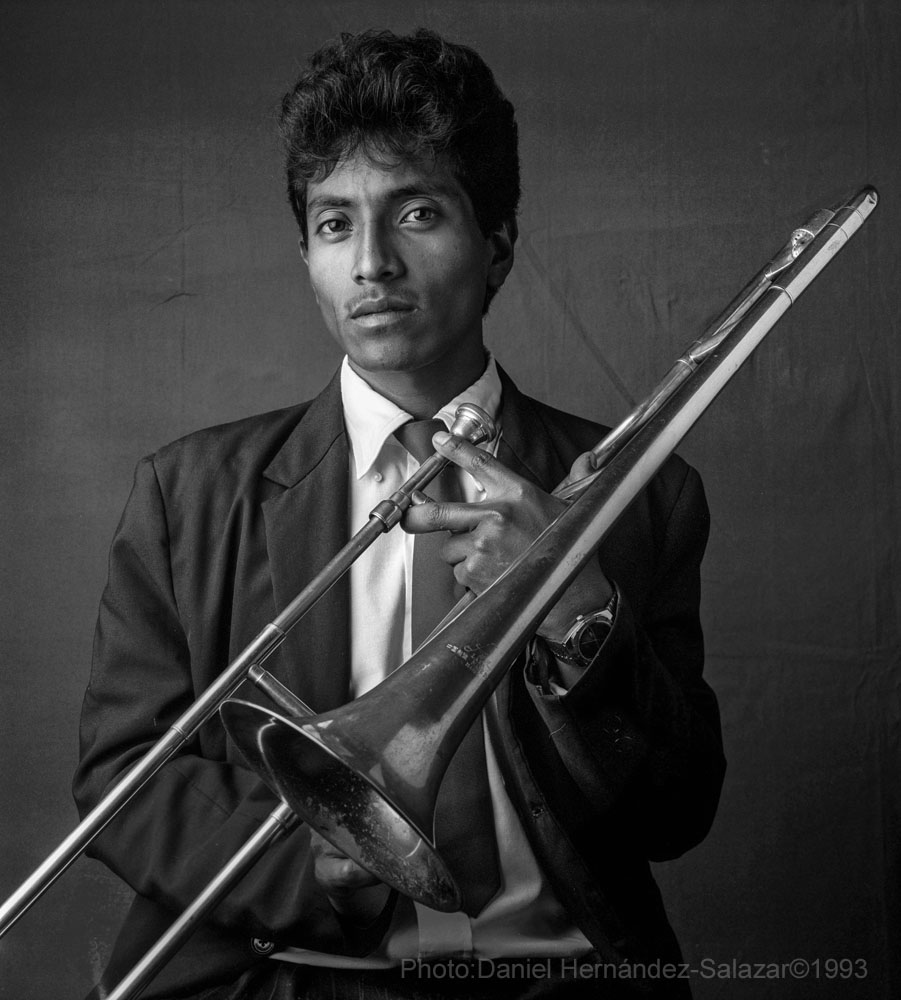
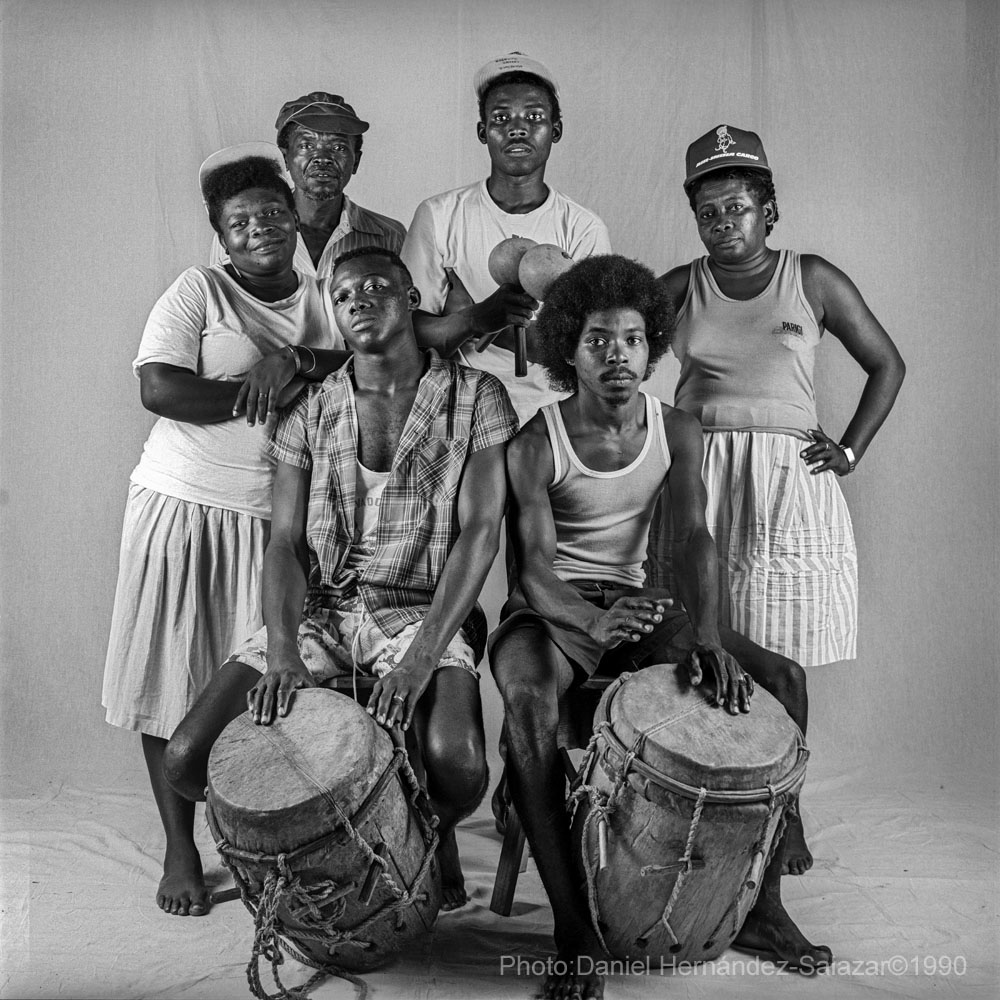
The global project included ethnographic, sound and photographic records of different ethnic groups in the country, not only in order to have this historical testimony, but also to promote its appreciation and its greater permanence in the future. In this way, he has been able to capture notable representatives of the music of the Garífuna, Itzá, Ixil, Mopán, Q’eqchí and Q’iché groups.
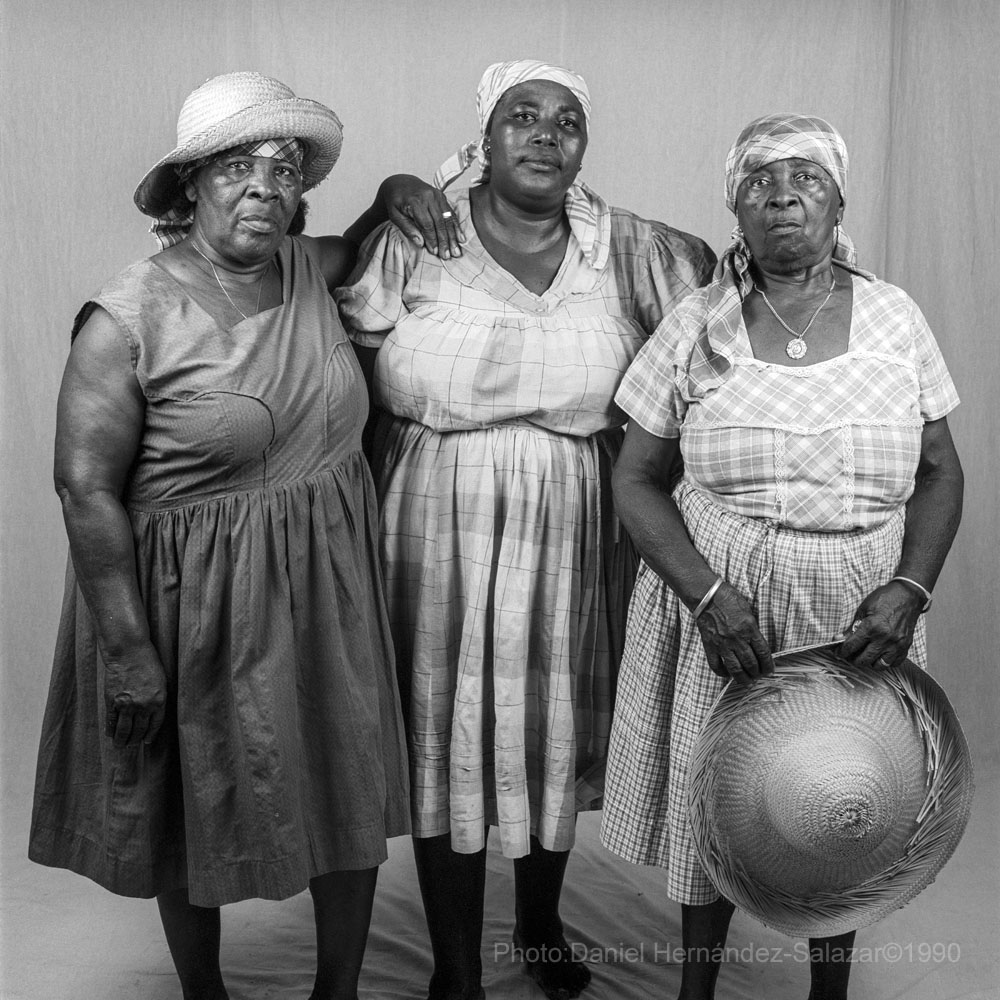
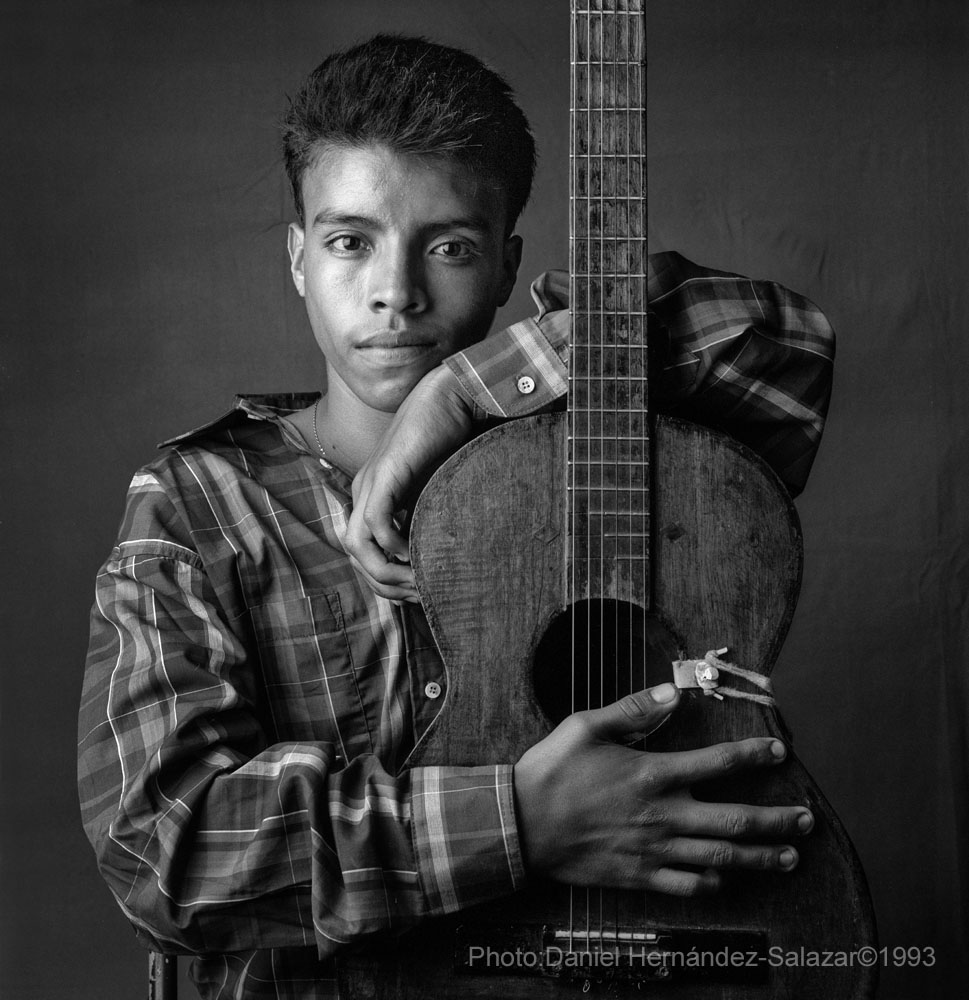
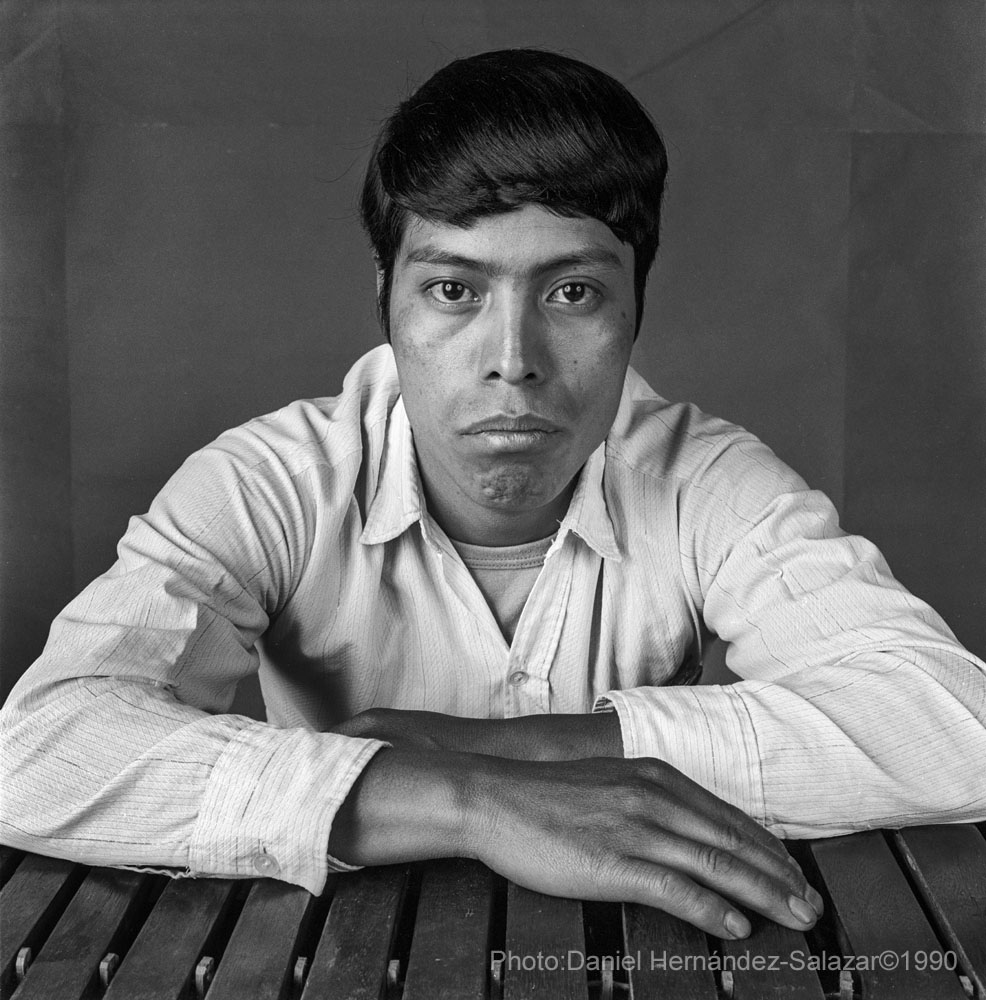
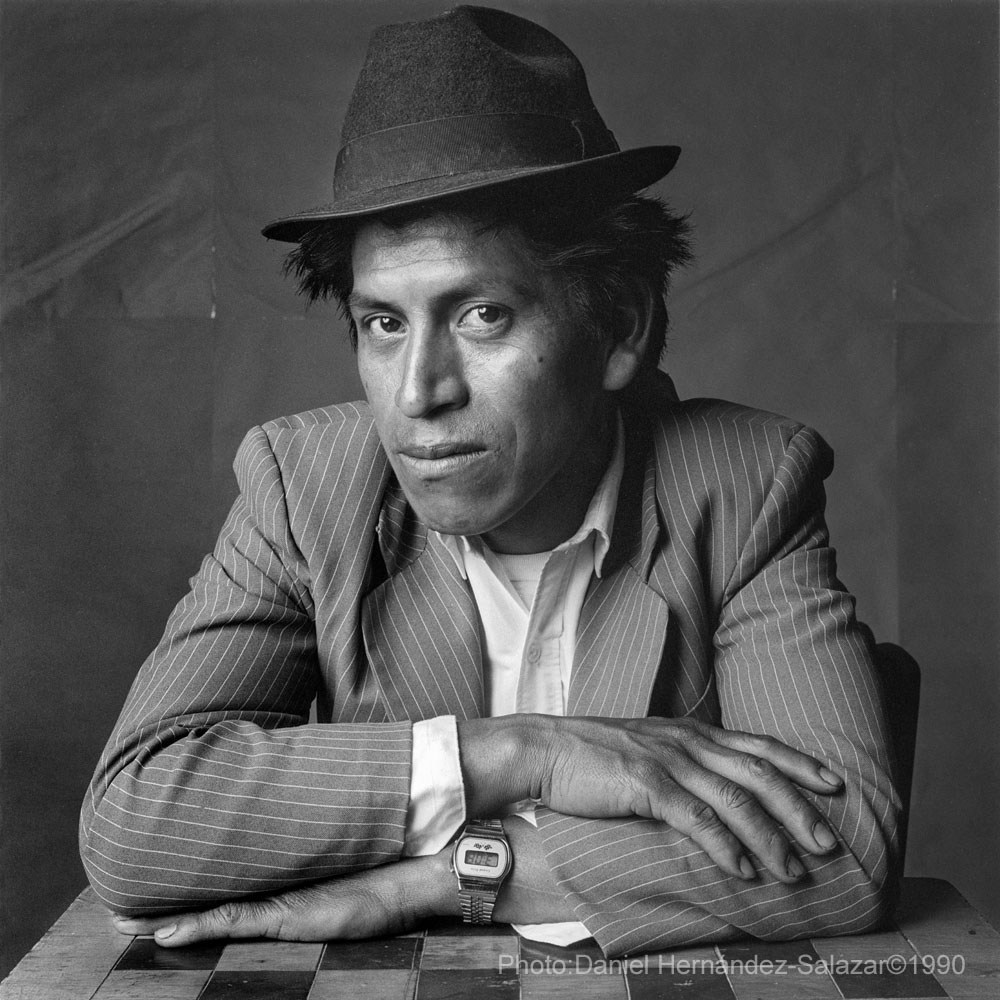
This series seeks to highlight, through artistic interpretation, the expressions and feelings of the individuals who are part of the Guatemalan cultural kaleidoscope, with which Daniel Hernández-Salazar feels so identified. Its strength lies, without a doubt, in that personal expression of the artist about the people who make traditional music in Guatemala. The Ixil man holding the rattle, as if firmly clinging to his culture; the fixed and sure gaze of Martín Sic Tzul; the harmony and integrity of the three Garifuna graces, or the peace suggested by the Peten boy embracing his double bass, to name a few examples, manage to show Daniel’s need to reflect himself in each of his images.
Oscar Iván Maldonado
Guatemala de la Asunción, April 1993.
Rostros de la música.
Desde sus inicios, la fotografía ha sido uno de los mejores métodos para documentar la historia y la forma de vida de las sociedades y personas. Famosos fotógrafos, como Chambi o Penn, han proporcionado un importante testimonio gráfico de las culturas de otros lugares y tiempos. Zanotti y Yas, en el caso de Guatemala, han podido hacer lo suyo al respecto. Este último dejó un legado que nos permite conocer lo que fue la Antigua Guatemala y su gente al iniciar el Siglo XX.
Si entendemos las manifestaciones culturales como entes cambiantes, y más aún amenazados de extinguirse brutalmente, debemos pensar en la fotografía como uno de los recursos que permiten a las siguientes generaciones tener un testimonio de lo que tiende a transformarse o desaparecer.
Daniel Hernández-Salazar, consciente de esto, ha enfocado su trabajo hacia el registro de nuestra época, captando la cultura, las manifestaciones y los actores que la caracterizan. Nadie, entre quienes lo conocen, ha dejado de percibir su sensibilidad hacia aquellas cosas que han marcado las épocas y hacia aquellas personas que las han hecho posibles. Tampoco pasa desapercibido su respeto por esa amalgama que podríamos llamar Cultura Guatemalteca, es decir, por su cultura -muy ladina- y por la de todos los demás que comparten con él el territorio donde nació. Estos sentimientos han dirigido el trabajo de Daniel Hernández-Salazar como artista… Para él, se trate de un llamado a misa en Olintepeque, de la quema de pólvora en Ciudad Vieja, o de la Huelga de Dolores en la Ciudad Capital, cada manifestación ocupa un lugar preponderante y esencial en la vida y la cultura de su país.
Daniel Hernández-Salazar se esfuerza por transmitirnos, a través de su mirada impresa en el papel, la vida de nuestra época y nuestro entorno, con toda la expresividad de los rostros, que él encuentra en el retrato, su más preciado medio de expresión… Y por eso no es casual la admiración que él siente hacia otros fotógrafos que nos han brindado, por medio del retrato, la posibilidad de conocer la Guatemala de antaño. Entre ellos, Ankermann, Legrand, Muñoz, Stein y Valdeavellano han influido, sin duda, en su mente y sentimientos, y a través de su obra, se siente igualmente comprometido por continuar la tradición de los grandes retratistas guatemaltecos.
Dentro de esa amplia perspectiva, Daniel Hernández Salazar realiza su serie de fotografía Músicos de la Tradición Popular de Guatemala, la cual inició conjuntamente con el proyecto del Antropólogo Alfredo Gómez Davis (+), entonces encargado del departamento de patrimonio cultural del Instituto Guatemalteco de Turismo.
El proyecto global incluyó los registros etnográfico, sonoro y fotográfico de distintos grupos étnicos del país, no sólo con el fin de tener ese testimonio histórico, sino con el de fomentar su aprecio y su mayor permanencia en el futuro. De esa forma, ha podido captar notables representantes de la música de los grupos Garífuna, Itzá, Ixil, Mopán, Q’eqchí y Q’iché.
Esta serie persigue hacer resaltar, mediante la interpretación artística, las expresiones y los sentimientos de los individuos que forman parte del caleidoscopio cultural guatemalteco, con el cual Daniel Hernández-Salazar se siente tan identificado. La fuerza de la misma radica, sin lugar a dudas, en esa expresión personal del artista sobre las personas que hacen la música tradicional en Guatemala. Ese personaje Ixil sosteniendo la matraca, como aferrándose firmemente a su cultura; la mirada fija y segura de Martín Sic Tzul; la armonía e integridad de las tres gracias garífunas, o la paz que sugiere el niño petenero abrazando su contrabajo, por citar algunos ejemplos, logran mostrar la necesidad de Daniel por reflejarse en cada una de sus imágenes.
Óscar Iván Maldonado
Guatemala de la Asunción, 25 de abril de 1993.
If you want to adquire any of the images above, please send a request suing the “contact page” of this website. / Si usted está interesado en adquirir cualquiera de las imagenes de esta página, por favor mande una solicitud utilizando la “página de contacto” de este sitio web.
 Daniel Hernández-Salazar